
Notice changes early
An affected cat may stop eating, become unusually quiet, vomit or develop fever and diarrhoea. Kittens can deteriorate rapidly, and diarrhoea is not always present. Call a vet promptly if your cat seems unwell; collapse, severe weakness or repeated vomiting needs urgent attention. Do not wait for every symptom to appear.
Keep suspected cases separate
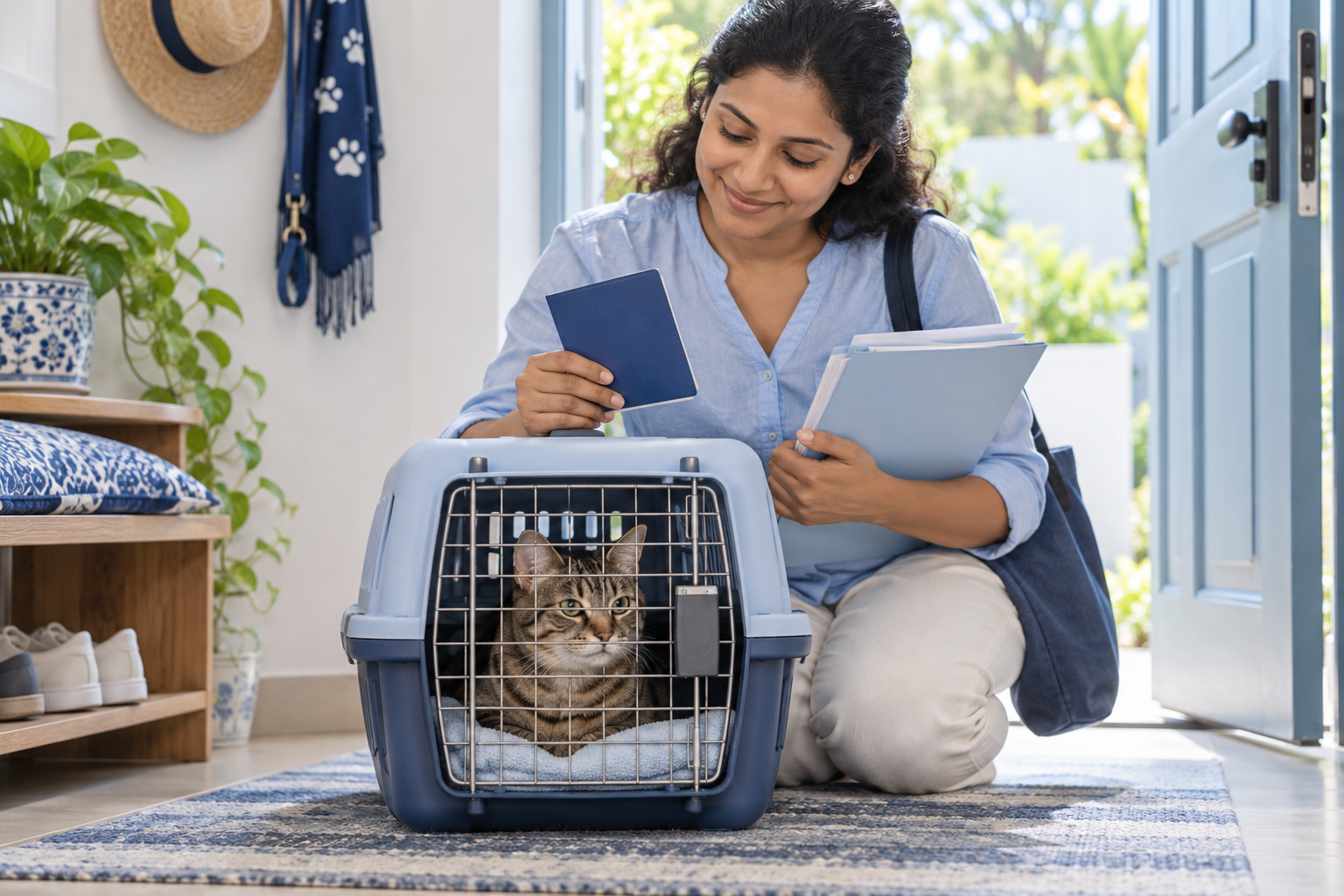
The virus can spread through contaminated faeces, objects and the environment. Keep the cat apart from other cats, with separate bowls, bedding and a litter tray. Call the clinic before arrival and use a secure carrier. Explain if other cats at home are unwell or have not completed their vaccinations.
What veterinary care may involve
The vet considers the examination, exposure history and vaccination record, and may recommend blood and virus tests. Seriously ill cats may need hospital care with fluids, nutritional support and other treatment for complications. The plan depends on the individual cat. Do not give human medicines or use another pet’s prescription.
Recovery and prevention need a plan
A recovering cat can still shed virus. Ask your vet when isolation can end and how to disinfect carriers, litter trays and rooms safely. The virus can persist in the environment, so seek advice before bringing in a new kitten. Vaccination is central to prevention; indoor cats also need a risk assessment because infection can be carried into a home.
General education for dogs and cats; not a diagnosis or an individual treatment plan.