
Choose the timing together
There is no single age that suits every dog and cat. Ask your vet how your pet’s species, breed, age, health and lifestyle affect the decision. Discuss the expected benefits, possible risks and the procedure being recommended. Mention if your pet is in season, may be pregnant or has recently had a litter.
Prepare before the day
- Ask about the examination, any tests, anaesthesia, pain relief and the estimated cost, including follow-up care.
- Tell the clinic about medicines, supplements and any previous reactions to treatment or anaesthesia.
- Get specific instructions about food, water and medicines before surgery. Do not guess fasting times or stop a medicine yourself.
- Arrange safe transport and a quiet place at home where your pet can rest.
Follow the recovery plan at home
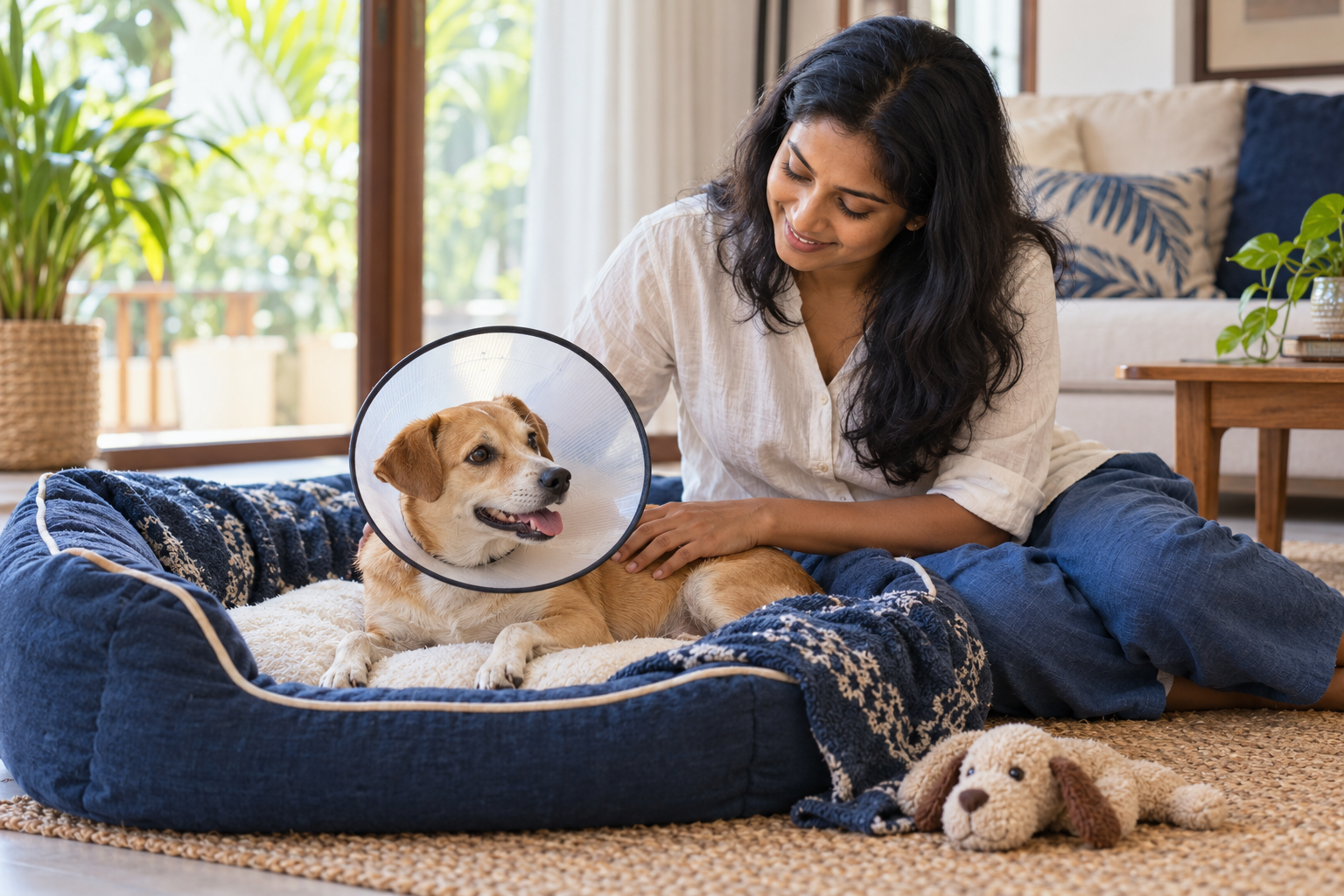
Ask for written instructions before leaving. Give only the medicines prescribed for your pet, prevent licking with the protection your vet recommends, and restrict running and jumping for the advised period. Keep the wound dry and check it daily. Confirm when your pet needs a check-up or stitches removed.
Know when to call
Contact the clinic promptly if the wound opens, becomes increasingly red or swollen, or has discharge, or if your pet seems very painful, repeatedly vomits or will not eat. Heavy bleeding, breathing difficulty or collapse needs emergency veterinary help. Do not wait for a routine follow-up appointment.
General education for dogs and cats; not a diagnosis or an individual treatment plan.